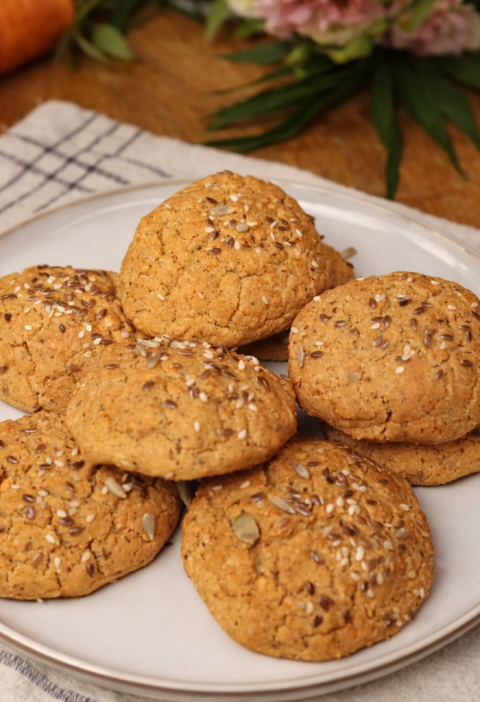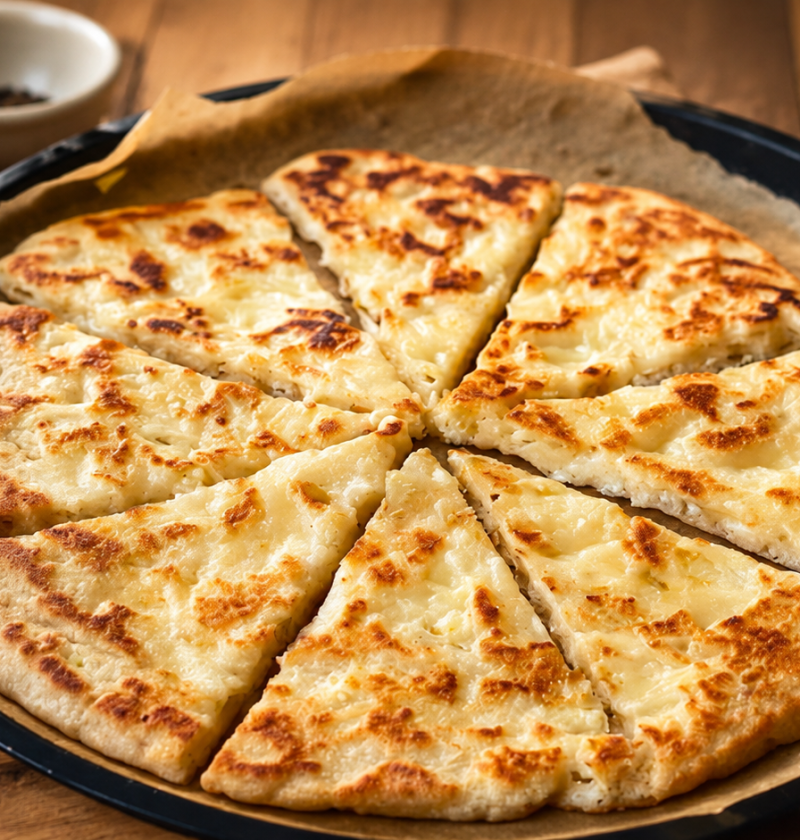
This easy oat and onion skillet has a crisp, golden exterior, a tender centre, and a generous layer of melted mozzarella. It is prepared without conventional flour and served with a cool cucumber, garlic, yoghurt, and Dijon mustard sauce. Think of it as a cross between a savoury oat pancake and a quick pan-cooked pizza. It uses affordable everyday ingredients, requires no dough-making, and works well for breakfast, lunch, or a simple weekday dinner. This recipe is written as if I were standing beside you at the hob, explaining each step calmly so you understand not only what to do, but why it matters. You will learn how to control the texture of oats, how to coax sweetness from onions and how to melt mozzarella so it stays soft and stretchy rather than rubbery. By the time you place the skillet on the table, you will have created something that looks like a cosy restaurant comfort dish, yet relies only on straightforward techniques and familiar ingredients.
🎉 Turn Humble Oats And Onions Into A Skillet Dish That Feels Comforting And Refined
This savoury oat and onion skillet with mozzarella is the kind of dish that makes you look at oats in a completely new way, turning them from a breakfast staple into a warm, comforting main course that feels both rustic and refined. The oats cook slowly in water or stock until they become thick and creamy, forming a soft base that holds together like a gentle, savoury cake rather than a loose porridge. Onions are treated with care, sliced and cooked until they turn sweet, soft and golden, adding depth and a natural sweetness that balances the earthiness of the oats. A generous layer of mozzarella melts over the top, creating a stretchy, creamy blanket that makes every forkful feel indulgent without being heavy. The skillet method keeps everything in one pan, so the flavours build together and the final dish can be served straight from the heat, still bubbling and inviting. Simple seasoning with salt, pepper and a touch of herbs allows the ingredients to speak clearly, giving you a dish that tastes honest and satisfying.
🧅 Celebrate The Gentle Sweetness Of Slowly Cooked Onions In Every Savoury Bite
⏱️ Recipe Overview
- Preparation time: 15 minutes
- Resting time: 10 minutes
- Cooking time: 15 minutes
- Total time: approximately 40 minutes
- Servings: 4
- Difficulty: Easy
- Cooking method: Stovetop
- Recommended frying pan: 24 cm non-stick pan
🥣 Discover How Oats Can Become A Warm, Satisfying Main Course Instead Of Just Breakfast
⭐ Why You’ll Love This Recipe
- Unexpected use of oats: You discover how oats can become a savoury, satisfying main dish rather than just a breakfast option.
- Deep onion flavour: Slowly cooked onions bring gentle sweetness and richness that make the skillet feel complex and comforting.
- Creamy mozzarella topping: Melted mozzarella adds a stretchy, indulgent layer that turns the dish into true comfort food.
- One‑pan simplicity: Everything is cooked in a single skillet, making preparation and washing up straightforward and manageable.
- Beginner‑friendly guidance: Clear, calm instructions help even inexperienced cooks achieve a well‑balanced, properly textured result.
- Flexible serving style: The skillet can be served as a main course, a hearty side or a shared dish at the centre of the table.
- Easy to customise: You can adjust herbs, stock and seasoning to suit your taste while keeping the structure reliable.
🧀 Enjoy The Stretchy Creaminess Of Melted Mozzarella Crowning Your Rustic Skillet
📅 Nutrition Per Serving (entire recipe)
- Serving Size (g): 220
- Calories (kcal): 380
- Carbohydrates (g): 32
- Protein (g): 17
- Fat (g): 20
- Saturated Fat (g): 8
- Polyunsaturated Fat (g): 3
- Monounsaturated Fat (g): 8
- Trans Fat (g): 0
- Cholesterol (mg): 45
- Sodium (mg): 520
- Potassium (mg): 310
- Fiber (g): 5
- Sugar (g): 6
- Vitamin A (IU): 320
- Vitamin C (mg): 5
- Calcium (mg): 260
- Iron (mg): 2.4
Serve This Dish Straight From The Pan And Bring Cosy Restaurant Comfort To Your Table
🍽️ Kitchen Tools and 🛠️ Equipment Needed 🔪
- 🍳 Medium skillet or frying pan with lid for cooking the onions, oats and melting the mozzarella
- 🔪 Sharp knife for slicing onions and chopping herbs
- 🧊 Cutting board for safe and organised preparation of onions and herbs
- 🥄 Wooden spoon or spatula for stirring onions and oats gently
- 🥣 Measuring cups for accurately portioning oats and liquid
- 🧂 Measuring spoons for salt, pepper and herbs
- 🔥 Hob or stovetop with controllable heat for gentle simmering and melting
- 🍽️ Serving spoon for portioning the finished skillet onto plates
🌿 Add A Sprinkle Of Herbs And Lift The Flavour With Fresh, Green Brightness
🛒 Ingredients
Ingredients for the Base
- 🥣 100 g rolled oat flakes
- 🧅 80 g peeled onion
- 🥚 2 medium eggs
- 🥛 30 g natural yoghurt
- 🧂 3–5 g fine salt
- 🌿 1 g dried thyme
- 💧 50 ml water
- 💧 Up to 50 ml additional water
- 🛢️ 10 ml neutral cooking oil
- 🧀 100 g grated mozzarella
Ingredients for the Sauce
- 🥒 150 g cucumber
- 🥛 150 g thick natural or Greek‑style yoghurt
- 🌶️ 10 g Dijon mustard
- 🧄 1 small garlic clove (approximately 3–4 g)
- 🧂 2 g salt or to taste
- ⚫️ 0.5 g black pepper
- 🍋 5 ml lemon juice (optional)
- 🌿 5 g dill or parsley (optional)
💛 Choose This Skillet When You Want Food That Feels Honest, Simple And Deeply Satisfying
👨🍳 DETAILED STEP‑BY‑STEP RECIPE (Chef‑Level Instructions)
Step 1: Choose the right oats
Use ordinary rolled oat flakes. They soften during soaking while retaining enough structure to hold the base together.
Do not use steel-cut oats because they will remain too firm. Instant oats can be used, but they absorb liquid quickly and may produce a softer, less textured base.
For a finer, more pizza-like consistency, pulse half of the oat flakes in a blender until they resemble coarse flour. Leave the remaining half whole for texture.
Use certified gluten-free oats if the dish must be strictly gluten-free. Oats are naturally gluten-free, but ordinary oats may be contaminated with wheat during processing.
Step 2: Soak the oats
Place 100 g rolled oats in a mixing bowl. Add the first 50 ml water and stir thoroughly.
Leave the oats to stand for 10 minutes. During this time, they will absorb the water and become softer.
Soaking is an important step. It prevents the finished base from tasting dry and allows the oats to bind more effectively with the eggs.
After 10 minutes, the oats should feel damp and slightly swollen. They should not be floating in water.
🔥 Let The Gentle Heat Of The Hob Transform Everyday Ingredients Into True Comfort Food
Step 3: Prepare the onion
Peel the onion and trim away the root end. Grate it using the large holes of a box grater.
Grating is preferable to chopping because the small pieces cook quickly and distribute their flavour throughout the oat mixture.
If the grated onion releases a large amount of liquid, do not discard it. Add both the onion and its juice to the oats. The liquid contains flavour and will help hydrate the mixture.
For a milder flavour, use a sweet onion or shallot. For a stronger, more savoury result, use an ordinary yellow onion.
Step 4: Mix the eggs and yoghurt
Crack the eggs into a separate small bowl. Check the eggs and that no pieces of shell have fallen in.
Add 30 g yoghurt, salt, and dried thyme. Whisk with a fork until the yolks, whites, and yoghurt form a smooth mixture.
Mixing the yoghurt with the eggs before adding them to the oats prevents small white lumps of yoghurt from remaining in the batter.
Start with 3 g salt if your mozzarella is salty. You can always add more seasoning when serving, but excess salt cannot be removed.
🌾 Taste The Nutty Character Of Lightly Toasted Oats In A New Savoury Setting
Step 5: Make the oat batter
Add the grated onion and egg mixture to the soaked oats. Stir until everything is evenly combined.
Leave the mixture for another two or three minutes, then inspect its consistency.
The mixture should be thick enough to hold together on a spoon but moist enough to spread across the pan. Add the second 50 ml water gradually rather than all at once.
Begin with 20 ml, stir, and add more only if required. Different oat varieties absorb different quantities of water.
A batter that is too dry will crumble when turned. A batter that is too wet will take longer to cook and may remain soft in the centre.
Step 6: Prepare the mozzarella
Grate 100 g low-moisture mozzarella.
If using fresh mozzarella packed in liquid, drain it thoroughly, tear or grate it, and press it gently between paper towels. Excess moisture can make the top watery and soften the oat base.
Keep the mozzarella refrigerated until it is needed. Cold cheese is easier to distribute evenly.
🍽️ Share Generous Spoonfuls And Turn A Simple Meal Into A Warm, Communal Experience
Step 7: Preheat the frying pan
Place a 24 cm non-stick frying pan over medium-low heat. Add 10 ml neutral oil and tilt the pan to coat the bottom.
Heat the oil for approximately one minute. It should move easily across the pan but should not smoke.
Medium-low heat is essential. The oat base is relatively thick, so it needs time to cook through before the exterior becomes too dark.
Step 8: Form the oat base
Spoon the oat mixture into the warm frying pan. Spread it into an even circle using the back of a spoon or a silicone spatula.
Aim for a thickness of approximately 1–1.5 cm. Smooth the edges so loose oat flakes do not burn.
Press lightly, but do not compact the mixture aggressively. A little space between the oat flakes creates a more tender texture.
Cover the pan with a lid and cook over medium-low heat for 6–8 minutes.
The lid traps heat and helps the eggs set throughout the centre. Without a lid, the bottom may burn while the top remains raw.
🌬️ Enjoy A Texture That Is Soft And Creamy Yet Structured Enough To Hold Its Shape
Step 9: Check the first side
After six minutes, lift one edge carefully with a spatula.
The base is ready to turn when:
- The underside is golden brown.
- The edges look firm and dry.
- The top is mostly set rather than liquid.
- The entire base moves as one piece when the pan is gently shaken.
If it sticks or bends dramatically, cover it again and cook for another one or two minutes.
Do not force it away from the pan before it has formed a crust.
Step 10: Turn the oat base safely
Place a flat plate larger than the frying pan over the pan. Hold the plate firmly against the pan with one hand while holding the pan handle with the other.
Carefully turn the pan upside down so the oat base lands on the plate. Slide it back into the pan with the cooked side facing upwards.
Take care around the hot pan and oil. Turn the base over a clear work surface, not over an open flame.
If you are comfortable handling large pancakes, you may use a wide spatula instead. The plate method is safer for beginners.
🌈 Bring Colour And Aroma To Your Table With Golden Onions And Melted Cheese
Step 11: Add the mozzarella
Immediately scatter the grated mozzarella evenly over the cooked surface, leaving a narrow border around the edge.
Cover the pan and continue cooking over low heat for 5–7 minutes.
The second side should become golden while the trapped heat melts the mozzarella.
If the bottom is cooked but the cheese has not completely melted, switch off the heat, keep the lid on, and leave the skillet for two additional minutes.
Step 12: Prepare the cucumber
While the oat base cooks, wash the cucumber and grate it using the large holes of a box grater.
Place the grated cucumber in a fine sieve. Add a small pinch of salt and leave it for five minutes.
Squeeze the cucumber firmly in a clean kitchen towel or strong paper towel to remove excess liquid.
This is the most important step when making the sauce. Unsqueezed cucumber releases water and can turn thick yoghurt into a thin dressing.
🧂 Learn The Art Of Seasoning In Layers As Onions, Oats And Mozzarella Come Into Harmony
Step 13: Make the yoghurt sauce
Place 150 g yoghurt in a bowl. Add the Dijon mustard, finely grated or crushed garlic, black pepper, and optional lemon juice.
Stir until smooth. Fold in the drained cucumber and optional chopped dill or parsley.
Taste before adding the remaining salt. Dijon mustard and yoghurt already contribute seasoning and acidity.
For a gentler garlic flavour, use half a clove. Raw garlic becomes stronger as the sauce rests.
Step 14: Rest and serve
Slide the finished oat and onion skillet onto a board or serving plate. Leave it for two or three minutes before cutting.
This brief rest allows the melted cheese and egg mixture to settle, making the slices easier to lift.
Cut into four wedges and serve with the cold cucumber yoghurt sauce on the side.
✨ Serving Suggestions
Serve the oat and onion skillet with:
- A tomato and herb salad
- Mixed green leaves
- Roasted peppers
- Sliced avocado
- Steamed vegetables
- A fried or poached egg
- Chilli flakes or hot sauce
- Fresh dill, parsley, or spring onions
For a family meal, place the whole skillet in the centre of the table and allow everyone to add sauce according to taste.
🌞 Make This Skillet Your Go‑To Choice For Evenings When You Need Gentle, Nourishing Comfort
👨🍳 Professional Cooking Insights
- Soak the oats: Ten minutes is enough to soften them and improve binding.
- Add the second quantity of water gradually: The full additional 50 ml may not be needed.
- Grate the onion: Grated onion cooks faster and spreads its flavour evenly.
- Use medium-low heat: High heat will burn the bottom before the eggs have set in the centre.
- Cover the frying pan: Trapped heat cooks the top and melts the cheese efficiently.
- Wait before turning: If the base resists the spatula, it probably needs another minute to form a crust.
- Use the plate method: It is the easiest way for a beginner to turn a large oat pancake without breaking it.
- Drain fresh mozzarella: Excess cheese liquid can make the surface soggy.
- Squeeze the cucumber thoroughly: This keeps the yoghurt sauce thick and creamy.
- Season cautiously: Mozzarella, Dijon mustard, and yoghurt can all contain salt.
- Allow the finished base to rest: Two or three minutes makes it easier to cut into clean wedges.
- For a crispier base, use less water: The batter must still hold together, but it should not be loose or pourable.
- For a softer centre, use the full additional water: Cook it slowly with the lid on.
- For extra flavour, toast the thyme: Rub dried thyme between your fingers before adding it to release its aromatic oils.
Build Your Kitchen Confidence With A Recipe That Guides You Calmly Through Each Step
🧊 Storage and Reheating
Oat and onion skillet
Allow leftovers to cool completely.
- Refrigerator: Store in an airtight container for up to 3 days.
- Freezer: Freeze individual wedges for up to 2 months.
- Reheating in a pan: Warm over low heat for 3–4 minutes per side.
- Reheating in an oven: Bake at 170°C for approximately 8–10 minutes.
- Reheating in a microwave: Heat briefly, although the base will be softer.
For the crispest result, reheat the wedges in a dry frying pan or air fryer.
Cucumber yoghurt sauce
Keep the sauce refrigerated in a sealed container and use it within 2 days.
Stir before serving. Some liquid may separate naturally during storage.
Do not freeze the sauce because yoghurt and cucumber can become watery and grainy after thawing.
🔥 Feel The Gentle Heat Of A Skillet Dish That Wraps You In Warm, Savoury Comfort
👨🍳 CHEF’S BEST TIPS
- Take time with the onions: Slow cooking over moderate heat is essential for developing sweetness and avoiding harsh flavours.
- Toast the oats lightly: A brief toast in the onion mixture before adding liquid enhances the nutty character and improves texture.
- Control the liquid: Add water or stock gradually and watch the consistency so the oats become creamy but still hold their shape.
- Season in layers: Season the onions first, then adjust the oats later, ensuring the whole dish tastes balanced.
- Use good mozzarella: Choose a cheese that melts smoothly and stays soft, avoiding very dry or heavily processed options.
- Let the cheese melt gently: Covering the skillet and using low heat prevents the mozzarella from toughening.
- Rest before serving: A short rest allows the oats to settle and the cheese to firm slightly, making portions easier to serve.
- Serve hot from the skillet: Presenting the dish directly in the pan adds a sense of warmth and comfort to the meal.
- Adjust herbs to taste: Parsley, thyme or chives can be added in small amounts to bring freshness without overwhelming the base flavours.
- Observe texture each time: Note how the oats set and how the cheese melts, then refine liquid and timing to match your ideal result.
🧅 Let Soft Golden Onions Bring A Slow‑Cooked Sweetness To Every Creamy Bite
❓Frequently Asked Questions
Does this recipe contain only oats and onion?
Oats and onion form the main base, but eggs, yoghurt, herbs, water, oil, and mozzarella are also used. The title describes the principal ingredients rather than the complete ingredient list.
Is it really better than pizza?
That is a matter of personal taste. This skillet is quicker than homemade yeast-based pizza and provides a satisfying oat base, but it has a softer texture and does not taste exactly like traditional pizza dough.
Is the recipe gluten-free?
It can be gluten-free when made with oats certified as gluten-free. Ordinary oats may be contaminated with wheat during growing or processing.
Check the labels on the Dijon mustard and other packaged ingredients if strict avoidance is necessary.
🥣 Discover How Rustic Oats Transform Into A Heartfelt Meal Full Of Depth And Character
Can I use oat flour instead of rolled oats?
Yes. Replace the rolled oats with approximately 90 g oat flour. Begin with only 70 ml total water and add more gradually because finely ground oats absorb liquid differently.
The resulting base will be smoother and more pancake-like.
Can I blend the oat mixture?
Yes. Blend the oats, onion, eggs, yoghurt, seasoning, and first 50 ml water until mostly smooth. Allow the batter to rest and add more water only if necessary.
A blended base is more uniform, while unblended oats give a more rustic texture.
Can I use instant oats?
Yes, but they absorb water quickly. Add the second 50 ml water gradually to prevent the mixture from becoming too loose.
🧀 Enjoy The Melted Mozzarella Blanket That Turns A Simple Pan Into Pure Indulgence
Can I use steel-cut oats?
No. Steel-cut oats will not soften sufficiently during the short soaking and cooking time.
Can I prepare the mixture in advance?
The mixture can be prepared up to 12 hours in advance and refrigerated in a covered container. It will thicken as it rests, so stir in a small amount of water before cooking.
Can I omit the eggs?
Eggs provide essential binding. Removing them requires a different formula. Flax or chia mixtures may work, but the base will be softer and more fragile.
Serve This Skillet Straight From The Hob And Create A Moment Of Honest, Homely Pleasure
What can I use instead of yoghurt in the base?
Use the same quantity of sour cream, skyr, crème fraîche, or an unsweetened plant-based yoghurt.
Can I replace mozzarella?
Yes. Try grated Cheddar, Gouda, Emmental, provolone, or a suitable dairy-free melting cheese.
Strong cheeses usually contain more salt, so reduce the salt in the oat mixture.
Why did my oat base fall apart?
Possible causes include:
- The oats were not soaked long enough.
- The mixture was too dry.
- The first side was turned before it had set.
- The pan was too large.
- The eggs were unusually small.
Allow more resting time, add a little water if required, and cook until the edges are firm before turning.
🍽️ Experience A Refined Skillet Creation Where Silky Mozzarella Meets Delicately Caramelised Onions
Why is the centre still wet?
The base may be too thick, the second 50 ml water may have been added too quickly, or the cooking temperature may have been too high.
Reduce the heat, cover the pan, and cook for several more minutes.
Why did the bottom burn?
The frying pan was probably too hot. Oats and onions brown quickly, so use medium-low or low heat and allow more time for the centre to cook.
Can I bake it instead of frying it?
Yes. Spread the mixture in a lined 20 cm round baking tin. Bake at 190°C conventional or 170°C fan-assisted for 15 minutes. Add the mozzarella and bake for another 8–10 minutes.
Savour A Contemporary Oat‑Based Dish Elevated By Gentle Aromatics And A Luxuriously Melted Cheese Finish
Can I add other toppings?
Yes. Good options include thinly sliced tomatoes, mushrooms, peppers, olives, spinach, or cooked chicken.
Keep additional toppings light and drain watery ingredients before using them.
Can children eat the Dijon sauce?
Yes, if they enjoy its flavour. For a milder sauce, reduce the mustard and garlic or omit them completely.
🧡 Invite Friends To Taste How Simple Ingredients Can Become Something Quietly Impressive
💛 Closing Note
This savoury oat and onion skillet with mozzarella is a gentle reminder that comfort food does not need to be complicated, turning humble oats and onions into a dish that feels both homely and quietly impressive. As you move through the steps, from slowly softening the onions to watching the mozzarella melt into a creamy blanket, you are learning how patience and small decisions shape the final flavour and texture. The combination of sweet onions, nutty oats and soft cheese makes each spoonful feel complete, offering warmth and satisfaction without heaviness. Because the recipe is designed with beginners in mind, you can follow it calmly, knowing that each instruction has a purpose and that the structure will support you from start to finish. At the same time, more experienced cooks will appreciate the chance to play with herbs, stocks and seasoning to create their own version of this skillet. Whether you serve it as a simple lunch, a cosy dinner or a shared dish at the centre of the table, it has enough character to become a regular part of your cooking repertoire. Let it show you that with a little guidance, you can turn everyday ingredients into something you are proud to bring to the table, and that comfort can be built one careful step at a time.
Serve It With A Simple Salad Or Vegetables And Create A Balanced, Heartwarming Meal
📦 SHORT RECIPE
Ingredients
Ingredients for the Base
- 100 g rolled oat flakes
- 80 g peeled onion
- 2 medium eggs
- 30 g natural yoghurt
- 3 –5 g fine salt
- 1 g dried thyme
- 50 ml water
- Up to 50 ml additional water
- 10 ml neutral cooking oil
- 100 g grated mozzarella
Ingredients for the Sauce
- 150 g cucumber
- 150 g thick natural or Greek-style yoghurt
- 10 g Dijon mustard
- 1 small garlic clove approximately 3–4 g
- 2 g salt or to taste
- 0.5 g black pepper
- 5 ml lemon juice optional
- 5 g dill or parsley optional
Let This Savoury Oat And Onion Skillet With Mozzarella Become A Signature Comfort Dish In Your Home
Instructions
- Slice onions: Peel and slice the onions thinly for even cooking.
- Soften onions: Cook onions in olive oil and butter over medium heat until soft and lightly golden.
- Season base: Add a pinch of salt and black pepper to the onions and stir well.
- Toast oats: Sprinkle rolled oats into the skillet and toast briefly in the onion mixture.
- Add liquid: Pour in water or stock and bring to a gentle simmer.
- Cook oats: Simmer, stirring occasionally, until the oats become thick and creamy and hold their shape.
- Adjust seasoning: Taste and adjust salt, pepper and herbs to balance the flavour.
- Top with mozzarella: Arrange mozzarella over the surface of the oat and onion mixture.
- Melt cheese: Cover the skillet and cook on low heat until the mozzarella melts and becomes soft and stretchy.
- Serve: Let the skillet rest briefly, then serve hot directly from the pan.
Add Your Favourite Herbs Or Mild Spices And Make The Dish Truly Your Own
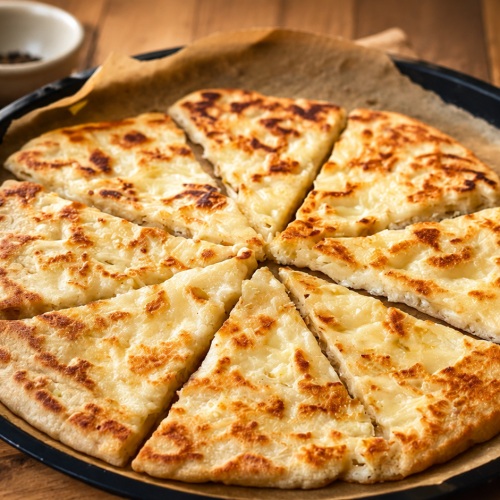
Savoury Oat and Onion Skillet with Mozzarella
Instructions
- Mix the rolled oats with the first 50 ml water and leave them to soak for 10 minutes.
- Peel and coarsely grate the onion.
- Whisk the eggs with 30 g yoghurt, salt, and thyme.
- Add the onion and egg mixture to the soaked oats.
- Gradually add up to 50 ml additional water. The mixture should be thick but easy to spread.
- Heat 10 ml oil in a 24 cm non-stick pan over medium-low heat.
- Spread the oat mixture evenly in the pan. Cover and cook for 6–8 minutes.
- Once the underside is golden and the top is mostly set, turn the base using a large plate.
- Sprinkle 100 g mozzarella over the cooked side.
- Cover and cook over low heat for another 5–7 minutes, until the bottom is golden and the cheese has melted.
- Grate the cucumber, lightly salt it, leave for five minutes, and squeeze out the liquid.
- Mix the cucumber with yoghurt, Dijon mustard, crushed garlic, pepper, and optional lemon juice and herbs.
- Rest the oat skillet for two minutes, cut it into four wedges, and serve with the sauce.