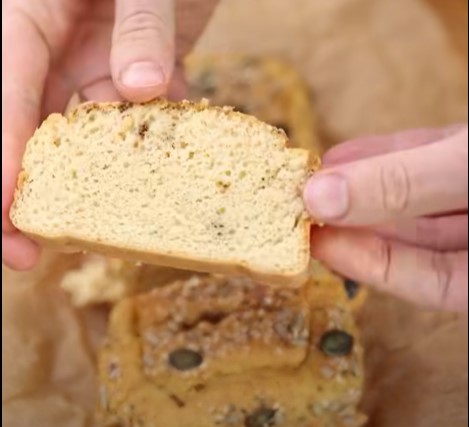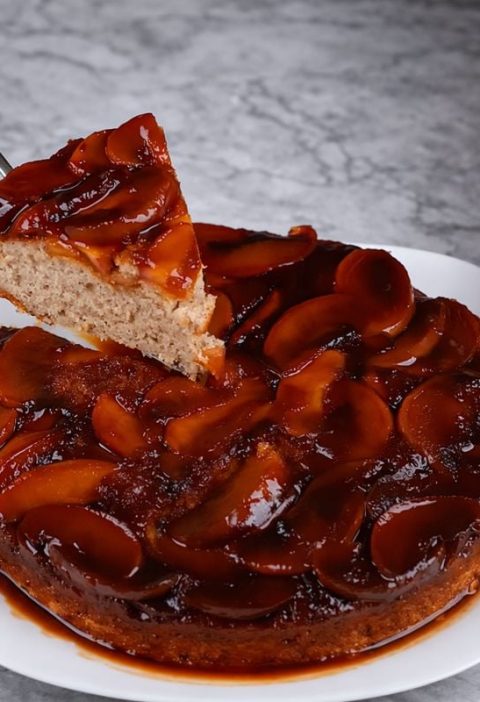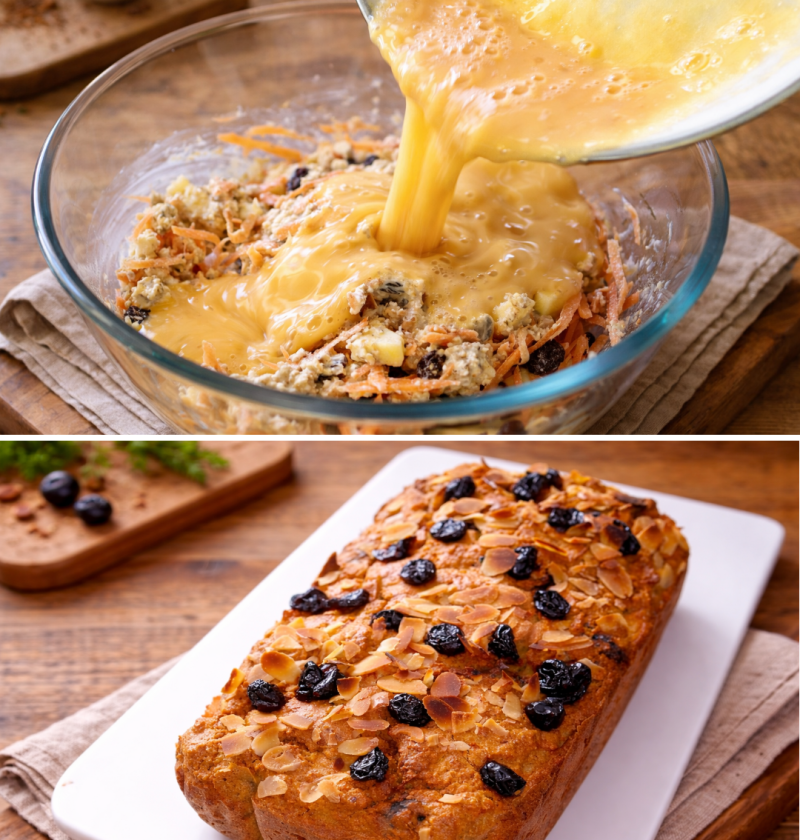
Moist, naturally sweet and pleasantly hearty, this oat loaf combines juicy apple, tender carrot, raisins and cranberries in one wholesome bake. It contains no refined sugar when made with an appropriate sugar-free sweetener, while oats and fruit provide plenty of flavour and fibre.
This beginner-friendly recipe makes approximately 10 slices.
Equipment
- 23 × 13 cm loaf tin
- Baking parchment
- Two mixing bowls
- Box grater
- Whisk or fork
- Flexible spatula
- Wire cooling rack
Preparation
- Preparation time: 20 minutes
- Baking time: 45–55 minutes
- Cooling time: 45 minutes
- Oven temperature: 180°C conventional or 160°C fan
- Yield: 1 loaf, approximately 10 slices
Detailed Step-by-Step Method
Step 1: Preheat the Oven
Preheat the oven to 180°C using conventional heat, or 160°C if using a fan-assisted oven. Position a rack in the centre.
Allow the oven to heat completely before putting the cake inside. A properly heated oven activates the baking powder immediately, helping the loaf rise evenly. If the batter sits in a cold oven while it heats, the finished cake may be heavy or sink in the centre.
Chef’s secret: Many ovens beep before they have reached a stable temperature. When possible, wait another 10 minutes after the signal. An inexpensive oven thermometer is particularly useful for older ovens.
Step 2: Prepare the Loaf Tin
Lightly grease the inside of a 23 × 13 cm loaf tin. Line the base and long sides with baking parchment, leaving enough paper above the sides to form two handles.
This will prevent the moist loaf from sticking and make it much easier to lift out without breaking.
Beginner’s tip: Greasing the tin before adding the paper helps the parchment stay in position while you pour in the batter.
Step 3: Soak the Dried Fruit
Place the raisins and dried cranberries in a heatproof bowl. Cover them with hot, but not boiling, water and leave for 10 minutes.
Drain thoroughly and pat them dry with kitchen paper. Soaking softens the fruit and prevents it from drawing moisture out of the cake as it bakes.
Chef’s secret: The fruit must be drained well. Excess water can make the centre of the loaf wet and gummy.
Step 4: Prepare the Apple and Carrot
Peel the carrot if its skin is thick, then grate it using the medium holes of a box grater. Core the apple and grate it in the same way. Peeling the apple is optional.
If the grated apple releases a large pool of liquid, squeeze it very gently once with your hands. Do not press it completely dry—the juice helps keep the loaf moist.
Chef’s tip: Grate the apple immediately before mixing it into the batter. A little browning is harmless and will not be visible after baking.
Step 5: Prepare the Oats
For a rustic loaf with plenty of texture, use the rolled oats whole. For a softer, more cake-like crumb, process half of the oats in a blender until they resemble coarse flour.
Place the oats in a large mixing bowl. Add the baking powder and whisk with a fork for approximately 30 seconds.
Why this matters: Baking powder must be distributed evenly. A poorly mixed pocket can create a bitter-tasting spot or an uneven rise.
Step 6: Measure the Sweetener Carefully
Add a sweetener providing approximately the same sweetness as 60–80 g of sugar.
Sweeteners vary enormously in strength. Four tablespoons may be suitable for a granulated baking blend, but it would be far too much for concentrated pure stevia. Always follow the conversion guide on the packet.
Chef’s advice: If your dried cranberries are sweetened, begin with the lower quantity. The apple, raisins and cranberries already add considerable sweetness.
Step 7: Mix the Wet Ingredients
In a separate bowl, whisk the eggs until the whites and yolks are fully combined. Add the milk, olive oil and vanilla, then whisk again until smooth.
Room-temperature ingredients combine more easily and help the loaf bake evenly. If the eggs are cold, place them—still in their shells—in a bowl of warm water for five minutes.
Beginner’s tip: The mixture does not need to become foamy. Whisk only until it looks uniform.
Step 8: Make the Batter
Pour the wet mixture into the bowl containing the oats. Stir until no dry patches remain.
Leave the batter to stand for 5–10 minutes. This gives the oats time to absorb some liquid and helps create a tender loaf that holds together when sliced.
The batter should be thick but easy to spoon. If it becomes unusually stiff, stir in an additional 15–30 ml of milk.
Step 9: Fold in the Fruit and Vegetables
Add the grated carrot, grated apple, drained raisins and cranberries. Fold them into the batter with a spatula until evenly distributed.
Use slow movements, scraping from the bottom of the bowl and lifting the mixture over itself. Stop as soon as everything is combined.
Chef’s secret: Overmixing can crush the fruit and produce a dense, damp texture. Thorough but gentle folding is all that is needed.
Step 10: Fill the Tin
Transfer the batter to the prepared loaf tin. Spread it into the corners and level the top with the back of a spoon or a damp spatula.
Tap the tin gently against the work surface once or twice to remove large trapped air pockets. Do not bang it repeatedly, as this can knock out too much air.
Sprinkle the flaked almonds evenly over the surface.
Optional finishing touch: Add a small pinch of cinnamon to the almonds before sprinkling them over the loaf.
Step 11: Bake the Loaf
Bake on the centre rack for 45–55 minutes. Avoid opening the oven during the first 35 minutes, as the sudden temperature drop can cause the centre to collapse.
Begin checking at 45 minutes. The loaf is ready when:
- The top is golden brown.
- The centre feels firm and springs back lightly.
- A wooden skewer inserted into the thickest part comes out clean or with a few moist crumbs.
- The internal temperature is approximately 95–98°C, if checked with a food thermometer.
If the almonds brown too quickly, loosely cover the loaf with foil or parchment for the final 10–15 minutes.
Important: A streak of wet batter on the skewer means the centre requires more time. Continue baking in five-minute intervals.
Step 12: Cool Correctly
Place the tin on a wire rack and leave the loaf inside for 15 minutes. Run a thin knife around any unlined edges, then lift the cake out using the parchment handles.
Remove the paper from the sides and allow the loaf to cool completely on the rack, preferably for at least 30 more minutes.
The crumb continues to set during cooling. Cutting the loaf while hot can make it appear underbaked and cause it to crumble.
Serving Suggestions
Serve the loaf plain or with:
- Greek yoghurt and fresh berries
- A thin layer of almond or peanut butter
- Sugar-free apple compote
- Soft cheese or cottage cheese
- A light drizzle of honey, if added sugar is not a concern
It works particularly well as a quick breakfast, lunchbox snack or afternoon treat.
Storage and Freezing
Once completely cool, keep the loaf in an airtight container.
- At room temperature: up to 2 days
- In the refrigerator: up to 5 days
- In the freezer: up to 3 months
For freezing, cut the loaf into individual slices and separate them with parchment. Defrost overnight in the refrigerator or at room temperature for approximately one hour.
Chef’s tip: Briefly warm a refrigerated slice in a toaster oven or microwave before serving. This restores its soft texture and brings out the apple and vanilla aromas.
Nutrition
Approximate nutrition per slice, based on 10 slices and calculated using semi-skimmed milk, 15 g almonds and a zero-calorie sweetener:
- Energy: approximately 180 kcal
- Protein: approximately 6 g
- Carbohydrates: approximately 25 g
- Fat: approximately 7 g
- Fibre: approximately 3 g
- Sugars: approximately 10–12 g
- Salt: approximately 0.2 g
Nutritional values are estimates. The exact figures depend on the milk, sweetener, dried cranberries and quantity of almonds used. Naturally occurring and added sugars may vary, particularly because many dried cranberries are sold pre-sweetened.
Chef’s Best Tips
- For a softer crumb, blend half the oats. Whole oats make a pleasantly rustic loaf; partially ground oats produce a texture closer to traditional cake.
- Weigh the grated ingredients. Very large apples can add too much liquid. Aim for approximately 150 g apple and 80 g carrot.
- Drain soaked fruit thoroughly. This small step prevents a soggy centre.
- Choose sweetener by equivalence, not spoonfuls. Concentrated stevia and granulated baking sweeteners are not interchangeable.
- Let the batter rest. Five to ten minutes allows the oats to hydrate and improves both texture and slicing.
- Do not judge doneness by colour alone. The almond topping may become golden before the centre is baked. Always use a skewer.
- Cool the loaf completely. Oat-based cakes need cooling time to develop a stable crumb.
- Add spice if desired. One teaspoon of cinnamon, half a teaspoon of ground ginger or a pinch of nutmeg complements the apple and carrot beautifully.
Frequently Asked Questions
Can I make this loaf gluten-free?
Yes. Use oats clearly labelled certified gluten-free. Ordinary oats may be contaminated with gluten during processing.
Can I use oat milk or another plant-based milk?
Yes. Unsweetened oat, almond or soya milk will work. Soya milk generally provides the most protein and creates a slightly richer crumb.
Can I replace the eggs?
For each egg, use one tablespoon of ground flaxseed mixed with three tablespoons of water. Let the mixture stand for 10 minutes before using. The egg-free loaf will be denser and may require an additional 5–10 minutes in the oven.
Do I have to soak the raisins and cranberries?
No, but soaking is strongly recommended. It keeps the dried fruit tender and helps the loaf remain moist for longer.
Can I use quick oats?
Yes, although the finished crumb will be softer and less textured. Do not use instant flavoured porridge sachets, as they may contain sugar, salt and flavourings.
Why is my loaf wet in the centre?
The apple may have been unusually juicy, the dried fruit may not have been drained properly, or the loaf may simply need longer in the oven. Cover the top loosely and continue baking in five-minute intervals.
Why did the loaf sink?
The most common causes are opening the oven too early, using too much baking powder, adding excessive liquid or removing the loaf before the centre is fully baked.
Can I leave out the sweetener?
Yes, but the loaf will taste mildly sweet rather than like a dessert. Using a naturally sweet apple and sweetened dried cranberries will help.
Can I replace the olive oil?
Yes. Use the same quantity of melted butter, rapeseed oil or another neutral cooking oil.
Can I add nuts?
Certainly. Add up to 50 g of chopped walnuts, pecans or almonds. Avoid adding much more, as an overloaded batter may not rise properly.
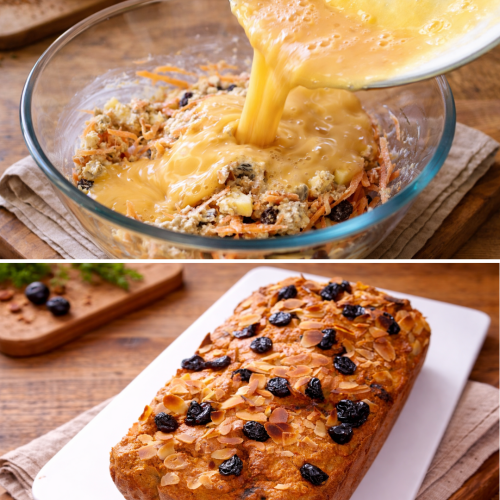
Oat, Apple and Carrot Loaf Cake
Instructions
- Preheat the oven to 180°C conventional or 160°C fan. Grease and line a 23 × 13 cm loaf tin.
- Soak the raisins and cranberries in hot water for 10 minutes. Drain and pat dry.
- Combine the oats, baking powder and sweetener in a large bowl.
- In another bowl, whisk the eggs, milk, olive oil and vanilla.
- Pour the wet ingredients into the oats. Mix and leave for 5–10 minutes.
- Gently fold in the grated apple, carrot, raisins and cranberries.
- Transfer the batter to the tin, level the surface and sprinkle with flaked almonds.
- Bake for 45–55 minutes. A skewer inserted into the centre should come out clean or with a few moist crumbs.
- Cool in the tin for 15 minutes, then transfer to a wire rack and cool completely before slicing.
Notes
- Blend half the oats for a softer, more cake-like texture.
- Drain the soaked fruit thoroughly to prevent a wet centre.
- Check the sweetener packet carefully—pure stevia is much stronger than a granulated baking blend.
- Cover the top loosely if the almonds brown before the centre is baked.
- Do not slice the loaf while hot; its crumb sets as it cools.