This red lentil bread is the kind of loaf that surprises people twice: first when they hear it is made without any flour, and again when they taste how soft and satisfying it is. Instead of wheat, the structure comes entirely from soaked red lentils, which blend into a smooth batter that bakes into a tender, sliceable crumb. Psyllium husk quietly does the work of gluten, binding everything together so the loaf holds its shape and cuts cleanly. Olive oil adds richness and moisture, giving the bread a pleasant, supple texture that never feels dry or heavy. A touch of apple cider vinegar works with the baking powder to lift the loaf gently, while also adding a subtle brightness to the flavour. You can keep the seasoning simple with just salt, or bring in your favourite spices to give the bread a more personal character. A generous sprinkle of sesame seeds on top bakes into a fragrant, golden crust that looks as if it came from a small artisan bakery. Even if you have never baked bread before, this method is straightforward, with no kneading, no yeast and no complicated timing. By the time the loaf has cooled and you slice into it, you will have a nourishing, flourless bread that works beautifully for sandwiches, toast or simply with a drizzle of good olive oil.
🌾 Enjoy A Red Lentil Bread That Turns Simple Pulses Into A Beautifully Sliceable Everyday Loaf
⏱️ Quick Overview
Prep Time: 20 minutes (plus soaking time)
Cook Time: 60–70 minutes
Total Time: 1 hour 30 minutes–1 hour 40 minutes
Servings: 12 slices
Difficulty: Easy
Category: Flourless Bread / High‑Protein Loaf
Cuisine: Modern Healthy Baking
Calories: ~150 kcal per slice
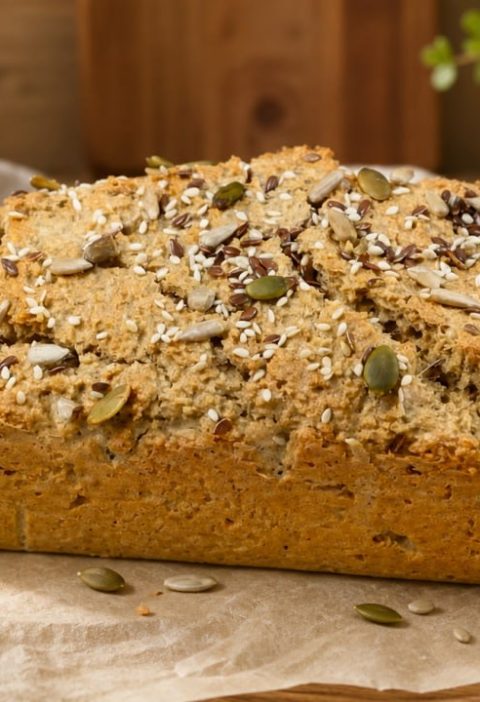
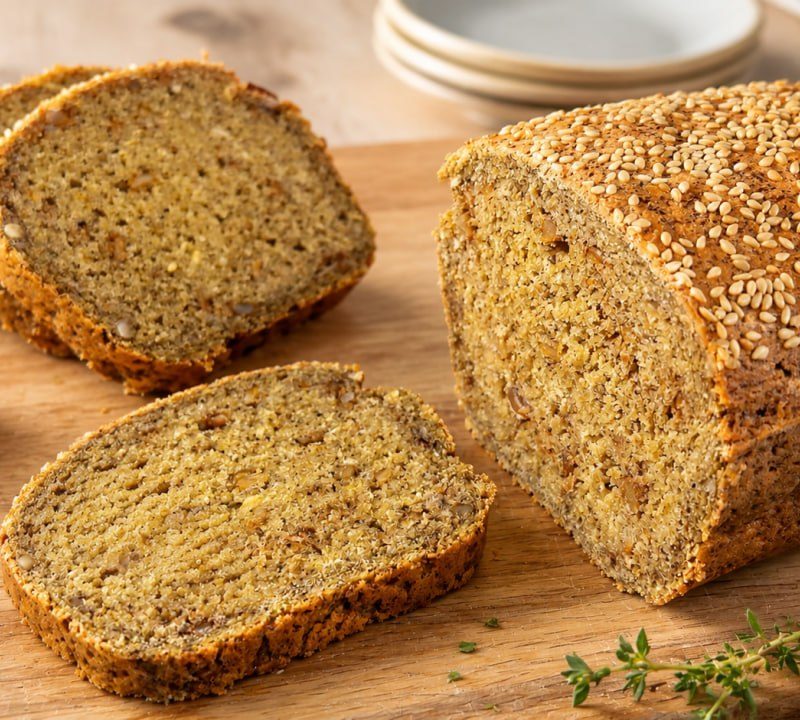
Red Lentil Artisan Loaf With Sesame Crust
⭐ Why You’ll Love This Recipe
- Completely flourless and gluten‑free: The loaf is made entirely from red lentils, making it a clever alternative to regular bread.
- High in plant protein and fibre: Red lentils and psyllium husk provide a satisfying, filling texture that keeps you full for longer.
- No yeast, no kneading: The method relies on soaking and blending, so you avoid the usual bread‑making complications.
- Customisable flavour: You can keep it neutral or add your favourite spices to match different cuisines and toppings.
- Beautiful sesame crust: The seed topping adds aroma, crunch and a bakery‑style finish that looks impressive on the table.
- Versatile in use: The bread works well for toast, open sandwiches, dips, soups and even as a base for savoury toppings.
- Perfect for meal prep: The loaf keeps well, slices neatly and can be frozen, making it ideal for planning ahead.
🍞 Savour Each Slice Where Soft Lentil Crumb Meets A Gently Toasted Sesame Seed Crust
📅 Nutrition Per Serving (entire recipe, 12 servings)
Whole loaf (approximate):
- Calories: ~1800 kcal
- Protein: ~90 g
- Fat: ~90 g
- Carbohydrates: ~170 g
- Fibre: ~45 g
Per slice (1/12 of loaf):
- Calories: ~150 kcal
- Protein: ~7.5 g
- Fat: ~7.5 g
- Carbohydrates: ~14 g
- Fibre: ~3.5–4 g
(Values are approximate and depend on the exact lentils, oil and amount of seeds used.)
🌿 Choose A Flourless Bread When You Want Something Naturally Gluten Free Yet Comfortingly Familiar
👨🍳 DETAILED STEP‑BY‑STEP RECIPE (Chef‑Level Instructions)
Step 1: Rinse The Red Lentils Thoroughly
Measure 1 3/4 cups (about 12.3 oz) dried red lentils into a sieve and rinse them well under cold running water until the water runs mostly clear.
💡 Take your time with this step, because rinsing removes excess starch and dust, helping the loaf bake with a cleaner flavour and better texture.
Step 2: Soak The Lentils
Transfer the rinsed lentils to a large bowl and cover them with plenty of cold water, making sure the water level is a few centimetres above the lentils, then leave them to soak for several hours or until they are soft and slightly swollen.
💡 If you can, soak them for at least 3–4 hours or even overnight, as well‑soaked lentils blend more easily and give a smoother batter.
✨ Let The Warm Aroma Of Baking Lentils And Olive Oil Fill Your Kitchen With Calm Energy
Step 3: Drain The Lentils Well
Once the lentils are fully soaked, pour them back into a sieve and drain them thoroughly, letting the excess water drip away for a few minutes.
💡 Shake the sieve gently and let the lentils sit for a short while, because too much leftover water can make the batter too thin.
Step 4: Blend The Lentils Into A Smooth Mixture
Place the drained lentils into a blender or food processor and blend until you have a smooth, thick mixture with no visible whole lentils remaining.
💡 If your blender struggles, blend in two batches or add just a tablespoon of water at a time, but avoid making the mixture runny.
🌾 Make This Red Lentil Bread Your Go To Alternative To Regular Wheat Loaves
Step 5: Add Psyllium, Baking Powder, Oil And Vinegar
Scrape the lentil mixture into a large bowl if needed, then add 3 tbsp psyllium husk, 1 tsp baking powder, 5 tbsp olive oil, 1 tbsp apple cider vinegar and salt to taste.
💡 Sprinkle the psyllium and baking powder evenly over the surface so they distribute well and do not clump in one spot.
Step 6: Season And Mix Thoroughly
If you like, add your favourite spices—such as paprika, garlic powder, cumin or dried herbs—then mix everything very well until the psyllium is fully incorporated and the batter looks uniform and thick.
💡 Use a spatula to fold from the bottom of the bowl upwards, making sure no pockets of dry psyllium remain hidden in the mixture.
🌿 Serve It With Hummus, Avocado Or Simple Olive Oil And Salt For A Nourishing Plate
Step 7: Let The Dough Rest
Leave the dough to rest at room temperature for about 15 minutes, allowing the psyllium to absorb moisture and firm up the mixture into a scoopable, dough‑like consistency.
💡 You should see the batter thicken noticeably; this is essential for helping the loaf hold its shape during baking.
Step 8: Prepare The Loaf Pan
Line a loaf pan with parchment paper, pressing it into the corners and letting it overhang slightly, or lightly grease the pan if you prefer, making sure the base and sides are well covered.
💡 A well‑lined pan makes it much easier to remove the loaf intact once it has cooled.
✨ Keep This Recipe Close For Days When You Crave Bread But Prefer Something Lighter And More Thoughtful
Step 9: Fill The Pan And Add The Seed Topping
Transfer the thick lentil dough into the prepared pan and smooth the top with a wet spatula or brush so the surface is even, then sprinkle sesame seeds or other seeds generously over the top.
💡 Wetting the spatula prevents sticking and helps you create a smooth, professional‑looking surface before baking.
Step 10: Bake And Cool The Loaf
Place the pan into a preheated oven at 350°F (about 175–180°C) and bake for 60–70 minutes, until the loaf is firm, the top is lightly golden and a skewer inserted into the centre comes out clean. Remove from the oven and let the bread cool in the pan for at least 20–30 minutes before lifting it out and slicing.
💡 Allowing the loaf to cool properly is crucial, because cutting it while hot can cause it to crumble instead of slicing neatly.
🌾 Enjoy A Loaf Where Every Slice Brings Plant Protein, Fibre And Gentle Savoury Flavour
🛒 Ingredients
For The Red Lentil Bread
• 🌾 1 3/4 cups dried red lentils (about 12.3 oz)
• 🌾 3 tbsp psyllium husk
• 🧪 1 tsp baking powder
• 🫒 5 tbsp olive oil
• 🍎 1 tbsp apple cider vinegar
• 🧂 Salt, to taste
• 🌶️ Optional: your favourite spices (such as paprika, cumin, garlic powder or dried herbs)
For The Topping
• 🌱 Sesame seeds or other seeds, for sprinkling on top
🍞 Let The Sesame Seed Topping Add A Bakery Style Finish To Your Homemade Bread
🍽️ Kitchen Tools and 🛠️ Equipment Needed 🔪
• 🥣 Large bowl — to soak the red lentils and mix the dough
• 🥄 Sieve or colander — to rinse and drain the lentils thoroughly
• ⚙️ Blender or food processor — to blend the soaked lentils into a smooth mixture
• 🥄 Spatula or wooden spoon — to mix in psyllium, oil, vinegar and spices and to smooth the dough
• 🧁 Loaf pan — to shape and bake the bread
• 📜 Parchment paper — to line the pan and make it easy to remove the loaf
• 🧂 Measuring spoons — to measure psyllium, baking powder, oil and vinegar accurately
• 🔥 Oven — to bake the loaf at a steady 350°F
• 🔪 Sharp knife — to slice the cooled bread cleanly
🌿 Choose This Bread When You Want A Base That Works For Both Breakfast And Savoury Suppers
❓ FAQ
- Do I need to cook the lentils before blending?
No, you only need to soak the red lentils; cooking them would make the mixture too soft and wet for a stable loaf. - How long should I soak the lentils?
Soak them for at least 3–4 hours, or overnight if convenient, until they are soft and slightly swollen. - Can I use green or brown lentils instead of red lentils?
Red lentils work best because they soften quickly and blend smoothly, while other types may stay firmer and change the texture. - Is psyllium husk essential for this recipe?
Yes, psyllium husk is very important for binding and structure; without it, the loaf will be fragile and may crumble. - Can I reduce the amount of oil?
You can reduce the oil slightly, but it helps keep the loaf moist and improves texture, so avoid cutting it too much. - What spices work well in this bread?
Paprika, cumin, garlic powder, onion powder, dried oregano or thyme all work nicely, depending on how you plan to serve the bread. - How do I know when the loaf is fully baked?
The top should be firm and lightly golden, and a skewer inserted into the centre should come out clean or with just a few dry crumbs. - How should I store the bread?
Once cooled, store the bread in an airtight container in the fridge and use it within three to four days. - Can I freeze slices of this bread?
Yes, you can freeze individual slices separated by parchment; thaw at room temperature or toast directly from frozen. - Is this bread suitable for sandwiches?
Yes, the loaf slices neatly once cooled and works well for open sandwiches, toast or as a side with soups and salads.
✨ Share It With Friends And Watch Their Surprise When They Learn It Is Made From Lentils
👨🍳 CHEF’S BEST TIPS
💡 Use fresh red lentils rather than very old ones, as older lentils can stay slightly hard even after soaking and affect the texture.
💡 Do not rush the soaking step; well‑hydrated lentils blend more easily and give a smoother, more cohesive dough.
💡 Drain the lentils thoroughly before blending to avoid a watery batter that may not set properly in the oven.
💡 If your blender is powerful, pulse first and then blend continuously to avoid overheating the motor and to control the texture.
💡 Taste the dough before baking and adjust salt and spices, remembering that flavours soften slightly during baking.
💡 Let the dough rest fully after adding psyllium so it thickens; this rest is crucial for a stable, sliceable loaf.
💡 Sprinkle seeds generously on top for both flavour and appearance, pressing them lightly so they adhere during baking.
💡 Allow the loaf to cool almost completely before slicing, especially for the first cut, to keep the slices neat.
💡 Toast slices lightly before serving to bring out the nutty notes of lentils and sesame seeds.
💡 Serve with hummus, avocado, cottage cheese or simple olive oil and herbs to highlight the bread’s savoury character.
This red lentil bread is a wonderful example of how everyday pantry ingredients can be transformed into something both nourishing and genuinely satisfying. The soaked lentils create a soft, cohesive crumb that feels surprisingly close to traditional bread, yet the recipe remains completely flourless. Psyllium husk and baking powder quietly support the structure, while olive oil and apple cider vinegar keep the loaf moist and gently lifted. The sesame seed crust adds a subtle toastiness and a pleasing crunch that makes each slice feel special. Whether you enjoy it as toast in the morning, alongside a bowl of soup or as a base for your favourite spreads, it adapts easily to different meals. Even if you are new to baking, the clear steps and forgiving method make this recipe approachable and rewarding. Over time, you may experiment with different spice blends or seed toppings, but the core idea of a simple, lentil‑based loaf will remain a reliable staple. Let this bread become one of those quiet, dependable recipes that support your everyday eating while still bringing a sense of care and craft to the table. 🌾🍞✨
🌾 Pair It With Soups, Salads Or Roasted Vegetables For A Balanced, Satisfying Meal
🌿 Make Red Lentil Bread Part Of Your Weekly Meal Prep For Easy, Healthy Eating
📦 SHORT RECIPE
Ingredients:
1 3/4 cups dried red lentils (about 12.3 oz); 3 tbsp psyllium husk; 1 tsp baking powder; 5 tbsp olive oil; 1 tbsp apple cider vinegar; salt to taste; sesame seeds or other seeds for topping; optional favourite spices.
Instructions:
Rinse the red lentils well under running water.
Place them in a bowl, cover with water and soak for several hours until soft and slightly swollen.
Drain the lentils thoroughly.
Blend the soaked lentils until you get a smooth, thick mixture.
Add psyllium husk, baking powder, olive oil, apple cider vinegar, salt and any spices you like, then mix well.
Let the dough rest for 15 minutes to thicken.
Line a loaf pan with parchment paper.
Transfer the dough into the pan, smooth the top with a wet spatula and sprinkle sesame seeds on top.
Bake in a preheated oven at 350°F (about 175–180°C) for 60–70 minutes, until firm and lightly golden.
Cool in the pan, then remove and slice once the bread has cooled.
Nutrition: ~150 kcal per slice (12 slices).
🌿 Enjoy A Bread That Supports Your Goals While Still Feeling Warm, Real And Satisfying
Red Lentil Bread
Instructions
- Rinse the red lentils well under running water.
- Place them in a bowl, cover with water and soak for several hours until soft and slightly swollen.
- Drain the lentils thoroughly.
- Blend the soaked lentils until you get a smooth, thick mixture.
- Add psyllium husk, baking powder, olive oil, apple cider vinegar, salt and any spices you like, then mix well.
- Let the dough rest for 15 minutes to thicken.
- Line a loaf pan with parchment paper.
- Transfer the dough into the pan, smooth the top with a wet spatula and sprinkle sesame seeds on top.
- Bake in a preheated oven at 350°F (about 175–180°C) for 60–70 minutes, until firm and lightly golden.
- Cool in the pan, then remove and slice once the bread has cooled.